
Assessments & Nominations
Historic condition assessments & National Register applications.
Research-grade documentation prepared by a trained Architectural Historian — for state agencies, non-profit stewards, owners, and architects making decisions about buildings that have already outlived several of us.
The Work
Before the first board is cut, the building has to be read.
A condition assessment establishes what is original, what is later, what is failing, and what is worth saving. A National Register nomination establishes the building's significance in the public record — and, with it, access to federal and state rehabilitation tax credits.
Both are written to the Secretary of the Interior's Standards and to the National Park Service's expectations, by someone who has also stood at the bench and built the repair.
Deliverables
What you receive
Historic Condition Assessment
Room-by-room and elevation-by-elevation survey of existing fabric — original, altered, and lost. Photographic record, annotated drawings, and a written report ranking each element by significance and condition.
Historic Structure Report
Comprehensive documentation of a property's history, significance, and existing conditions — prepared for state agencies and non-profit stewards seeking grant funding, stabilization support, or preservation planning.
Treatment Recommendations
Repair, in-kind replacement, or reconstruction guidance written against the Secretary of the Interior's Standards. Phased scopes and budget-band estimates the building's steward can actually act on.
Archival & Deed Research
Construction-date establishment, ownership chain, and period-of-significance documentation drawn from county records, Sanborn maps, newspapers, and regional archives.
National Register Nomination
Full preparation of the NPS 10-900 form: statement of significance, narrative description, bibliography, USGS map, and photo log — submitted through the State Historic Preservation Office.
Local Landmark & HDC Submissions
Certificate of Appropriateness packages for local historic district commissions, with the drawings and precedent research review boards expect.
Process
How a project moves
- 01
Site Visit
A walk-through with the owner or architect — measured where useful, photographed throughout.
- 02
Archival Research
County deeds, Sanborn maps, historic photographs, and secondary sources, scoped to the question at hand.
- 03
Draft Report
A written and illustrated draft delivered for review, with revisions included.
- 04
Final Submission
Bound report or completed NPS / SHPO submission package, hand-delivered or filed on the owner's behalf.
Selected Assessments
From the desk.
Selected academic, professional, and public-sector work carried out in Europe and the United States between 2012 and 2025 — condition assessments, nominations, and landmark submissions.
- 2025HistoriCorpsHistoric Structure Condition Assessment
Silver Creek Lookout (No. 403)
Boise National Forest, Idaho · Principal Investigator & Architectural Historian
One of four historic structure condition assessments prepared within the Boise National Forest as part of a broader HistoriCorps preservation effort.
Detailed documentation of existing conditions for the lookout, garage, privy, and associated site features; evaluation of structural systems, materials, and deterioration mechanisms; and preservation-based treatment recommendations consistent with the Secretary of the Interior's Standards.
- 2023–2025New Bern Garden ClubCondition Assessment & Preservation Advisory
Judge Gaston Law Office
New Bern, North Carolina · Preservation Consultant & Architectural Historian
Ongoing preservation consulting and condition assessment for a contributing historic structure in downtown New Bern, on behalf of the New Bern Garden Club.
Evaluation of existing conditions, identification of material deterioration, and assessment of character-defining features — paired with guidance on preservation priorities, maintenance planning, and treatment approaches.
The work supported the Garden Club in understanding the building's condition and significance and in planning appropriate preservation actions over multiple seasons.
- 2019Local authority commissionArchitectural Historic Survey & Dendrochronology
Kronengasse 8 — Architectural Historic Survey
Wiernsheim, Baden-Württemberg, Germany · Architectural Historian
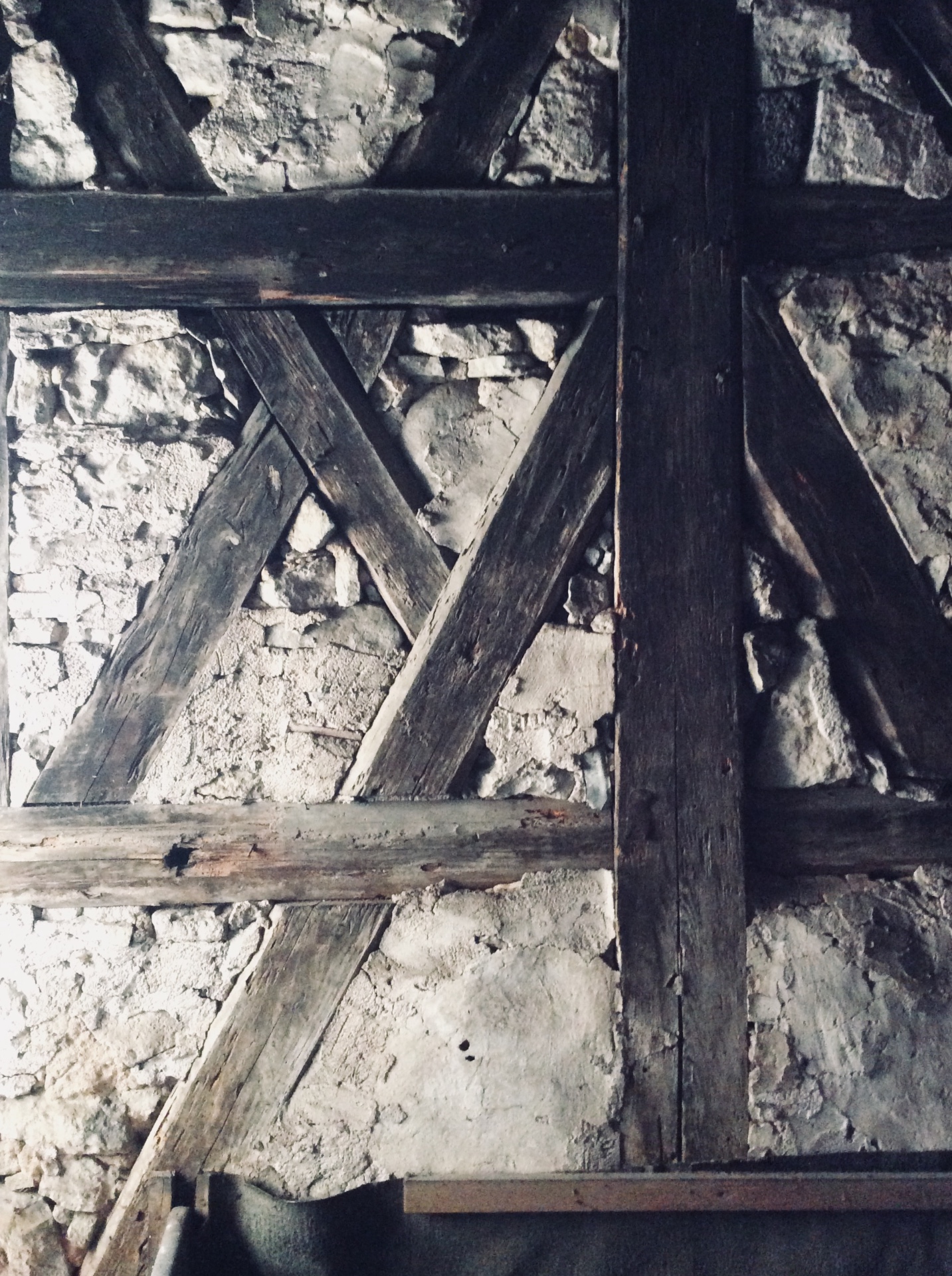
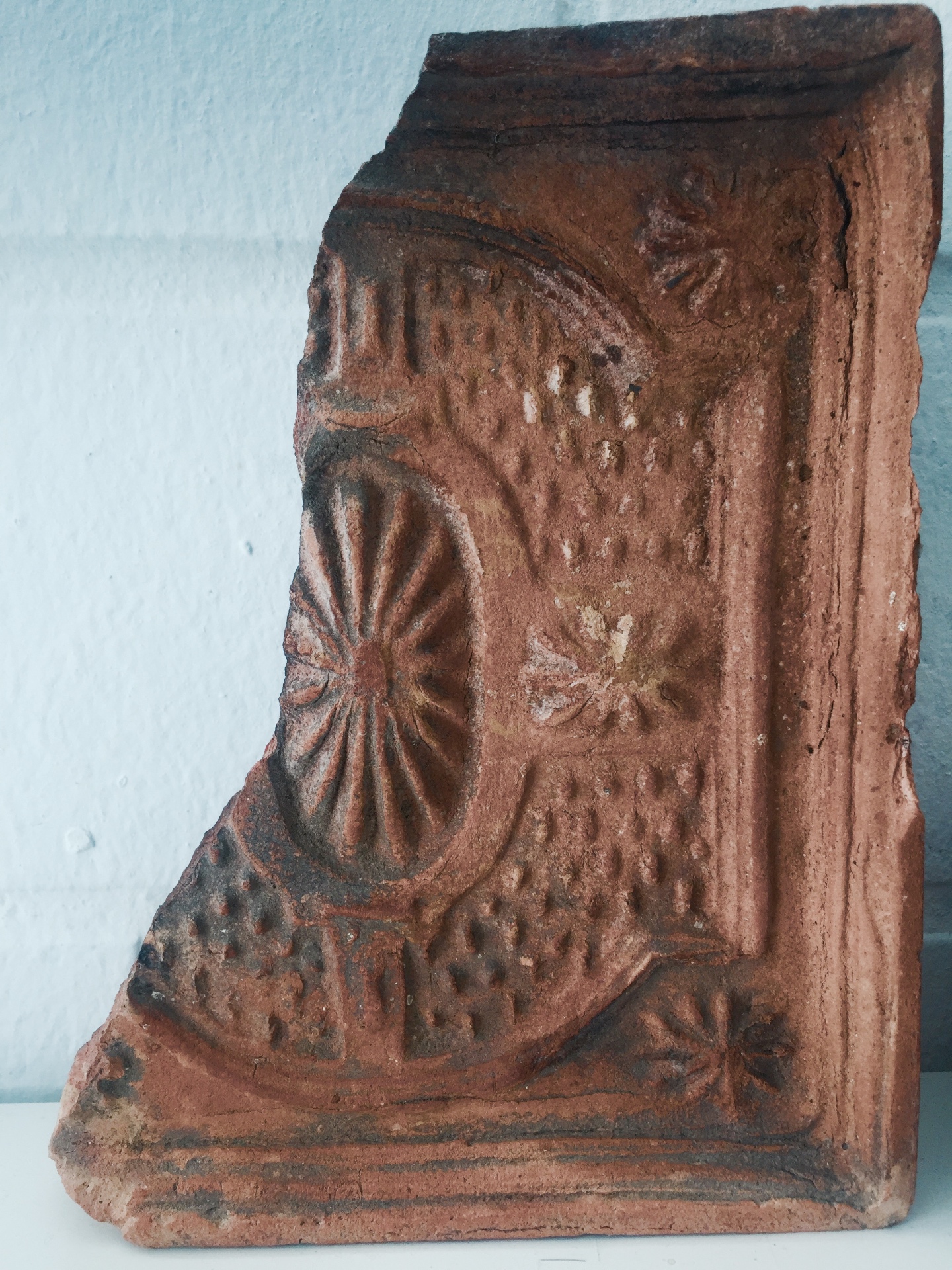
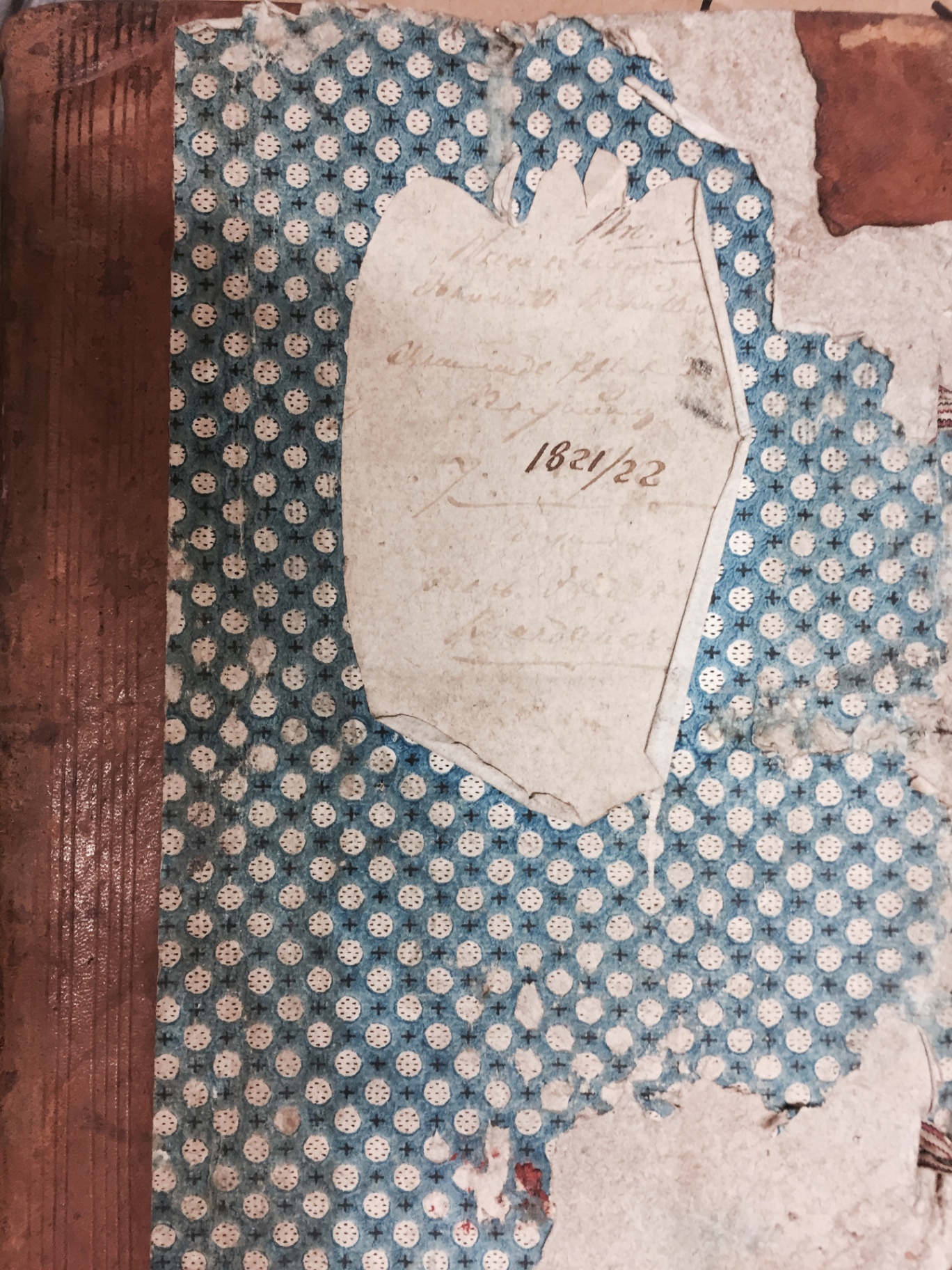
The property had been acquired by local authorities with the intent to demolish the existing complex and replace it with an assisted-living facility. At the time of survey the building had stood abandoned for years and was in desolate condition.
An in-depth architectural historic survey was commissioned to evaluate significance and construction history. Dendrochronological analysis dated the main residential structure to 1698/99 and an adjoining barn to 1579, confirming substantial early historic fabric on site.
Scope included dendrochronological dating of construction phases, reconstruction of the original floor plans, archival research into ownership and site history, photogrammetric documentation with as-built drawings, and a written survey report.
On the basis of the findings the demolition plans were halted. The entire historic complex was preserved and the original structures retained; ongoing archaeological investigations continue to build on the survey.
- 2018State historic preservation authoritiesArchitectural Historic Survey & Dendrochronology
Richthofenstraße 18 — Architectural Historic Survey
Aurich, Germany · Architectural Historian
The surveyed property had stood abandoned for several years and was in desolate condition at the time of investigation. In the course of the architectural survey the building's historic significance was established by correlation with a late-seventeenth-century panoramic map of Aurich (Kieser, ca. 1680–1690), in which the structure could be clearly identified.
On the basis of those findings, the preservation authorities requested dendrochronological dating. Core samples were taken from roof-structure elements and selected exterior wall components that showed characteristics of early construction phases. The samples dated to 1548/49, confirming that substantial portions of the building fabric belonged to the original sixteenth-century structure.
Scope included dendrochronological dating of the construction phases, reconstruction of the original floor plans, documentation of the existing structure, and a written architectural survey report.
The survey provided the evidentiary basis for evaluating the building's historic significance and informed subsequent preservation decision-making by the local authorities.
- 2012–2015State historic preservation authoritiesArchitectural Historic Survey & Restoration Advisory
Chanofsky'sches Schlösschen — Architectural Historic Survey
Brettach, Baden-Württemberg, Germany · Architectural Historian & Preservation Consultant
Initiated in early 2012 as thesis work and continued under commission after the property was acquired by the local government, when state preservation authorities requested an in-depth architectural survey.
Scope included dendrochronological dating of construction phases, reconstruction of the original floor plans, archival research into former ownership, photogrammetric documentation with as-built drawings, and a written survey report.
Continued involvement through the restoration process as consultant to the preservation authorities. An early stage of the work was published in the corresponding thesis in January 2014.
For state agencies, non-profit stewards, SHPO submissions, federal-agency assessments, local landmark review, or private owners evaluating a historic property — inquiries are welcome.
Request a consultation